Allergies and special diets at the pizzeria: how to order safely and smoothly
Allergies and special diets at a pizzeria don't mean you have to settle for a "safe" option or feel nervous when ordering. When you know how to communicate your requirements correctly and choose a pizzeria that takes special needs seriously, ordering pizza is both safe and smooth. This practical guide goes through,...

Voit jättää meille soittopyynnön
Jätä nimesi ja numerosi, niin soitamme takaisin saman päivän aikana.
Allergies and special dietary requirements at the pizzeria this does not mean you should settle for the "safe bet" option or stress about ordering. When you know how to provide the right information and choose a pizzeria that takes special requirements seriously, ordering pizza is both safe and smooth. This practical guide covers how to consider common allergens (such as milk, egg, nuts, and gluten) and how to ensure the kitchen receives the precise information it needs.
Ristorante Meli La Strada Ky (Ristorante La Strada), located at Asemakatu 26 in the centre of Vaasa, is known for its fast service, high-quality ingredients, and the convenience of takeaway meals or delivery for larger groups. When hunger strikes at lunchtime, on a weekday evening, or for a group order, clear communication about allergies makes the situation straightforward for both the customer and the restaurant.
Allergies and special dietary requirements in a pizzeria: what information does the restaurant need?
A safe order begins with you precisely stating your allergies and special dietary requirements at the pizzeria. "No milk" can mean different things: are you avoiding lactose, milk entirely, or also cheese and butter/milk-based sauces? The clearer you are, the better the kitchen can guide the preparation, ingredients, and workflow.
A good basic structure is: 1) allergen, 2) severity (e.g. anaphylaxis/mild), 3) is cross-contamination to be avoided, 4) what alternatives do you wish for (e.g. vegan cheese, no sauce). If you have multiple restrictions, list them in order of priority. If necessary, you can ask for the order to be confirmed in your own words: this way you ensure that the information has been understood.
Please always state these when ordering. When you provide information in the same order each time, ordering becomes faster and the risk of errors decreases.
Allergen and form E.g. "milk (also cheese and cream sauces)" or "egg in all its forms".
Cross-contamination risk Is even a small amount of ice a problem, or is "no real ingredient" sufficient?
Desired solution E.g. gluten-free base, vegetables, dairy-free tomato sauce.
Contact details for clarification For takeaway and group orders, a quick confirmation call saves time.
Legislation also supports the importance of allergen information: key allergens must be declared for food. You can read an overview of allergens, for example Wikipedia article about allergens and use it as a checklist before ordering.
Gluten and gluten-free pizza: how to order more safely?
Gluten is one of the most common factors dictating orders. Gluten-free can mean coeliac disease, wheat allergy or a choice to reduce gluten. In the case of coeliac disease and wheat allergy, the risks are in a different league to occasional avoidance, so always state your situation. This way, the restaurant can assess how preparations can be made and what cross-contamination risks exist in the kitchen.
A gluten-free base is an important starting point, but safety also depends on how the pizza is assembled, where it's cooked, and with what utensils. If you are sensitive to small residues, ask directly how workstations are separated in the kitchen and if the risk of flour dust or shared utensils can be reduced. When in doubt, choose toppings with fewer "hidden sources" (e.g., marinades, spice mixes, and certain ready-made ingredients can contain cereal-based ingredients).
If you want to delve deeper into the subject specifically from Vaasa's perspective, consult our internal guide: Gluten-free pizza in Vaasa: what should a customer ask?It helps you ask the right clarifying questions at the ordering stage.
The safest pizza order is made when you clearly state your limitations and give the kitchen the opportunity to confirm what can definitely be done and what cannot.
Milk, egg and nuts: common pitfalls on pizza
On pizza, dairy is often the most obvious ingredient: cheese, creamy sauces, and sometimes even certain cured meats or spice mixes can contain dairy-based ingredients. If you avoid dairy entirely, state this clearly and ask for an alternative preparation if necessary (e.g., without cheese or with vegan cheese, if available). If it's a matter of lactose, the situation is different – but do not assume that "lactose-free" and "dairy-free" are automatically interchangeable without clarification.
Egg can be found in surprising places: in mayonnaise-based sauces, some special fillings, or pre-seasoned products. Nuts and almonds are not staple ingredients of traditional pizza, but cross-contamination can occur, for example, from shared kitchen surfaces or products handled in the same area. Therefore, with a nut allergy, it is always advisable to mention the need to avoid cross-contamination if even tiny residues pose a risk.
Quick checklist (milk-egg-nuts) With these questions, the order will become clear without a lengthy discussion.
Is this definitely dairy-free? Please confirm the cheese, sauce, and any toppings.
Does the sauce contain egg? It's particularly worth checking mayonnaise-based and house sauces.
Do I need separate treatment? If you have a severe allergy, state it and ask how to reduce cross-contamination.
"Can you mark the order clearly?" For takeaway and group orders, marking on the packaging reduces confusion.
Allergies and special diets in a pizza takeaway and group home delivery
Takeaway is a lifesaver for everyday life: a quick phone call, a clear order, and food to go. However, when it comes to allergies, it’s worth slowing down just enough to ensure all essential information is correctly conveyed. A good practice is to order using a "base + sauce + toppings" structure and add a final line: "Allergy X, not even traces / not as an ingredient". This way, the restaurant can repeat the order and make the necessary notes.
For group orders (e.g. for the workplace, a sports team or a family celebration), the challenge is often logistics: who gets which pizza and what it contains. Ristorante La Strada in the centre of Vaasa offers a speedy service and home delivery for larger groups – in these cases, advance planning is key. Collect allergy information from participants beforehand, name the pizzas in the order text, and request clear packaging labels. When the "owner" of each portion is clear, misunderstandings are significantly reduced.
| Order status | What do you always say | How do you finally ensure |
|---|---|---|
| Takeaway | Allergen + severity + "no ingredient / no traces" | Confirm the order and add a note to the packaging |
| Eating in | Precise restriction and desired implementation (e.g. no cheese) | If necessary, ask about the contents of sauces/ready-made ingredients |
| Group home delivery | Personal allergies with names (e.g. "Maria: gluten-free + dairy-free") | Request itemised box labels and a clear handover order |
| Phone order in a hurry | One sentence per constraint, highest priority first | Book 10 seconds: "Did you still write down the allergies?" |
Brief note
When ordering in a hurry, use a pre-made phrase. It speeds up service and makes the outcome more certain.
Clear communication to the kitchen: example sentences and best practices
Many hesitate, thinking "will I be a bother?". In reality, clear communication saves everyone time: the kitchen understands at once what needs to be done, and you get peace of mind. Allergies and special dietary needs at a pizza place should be expressed in short, unambiguous sentences – and vague requests like "preferably not" should be avoided. If it's an allergy, state it as an allergy.
A working method is to use a "template" which you adapt to the situation. If you have a serious allergy, state it right at the beginning. If, on the other hand, it's about a sensitivity or a choice (e.g. lactose-free), it's worth wording that correctly too – then the restaurant can offer the most suitable solution without unnecessary confirmation. And if something isn't possible, a good restaurant will state it honestly and suggest an alternative.
Copy these examples into your own order One line per constraint, most important first.
Gluten I need a gluten-free base, coeliac - no flour contamination if possible.
Milk “Milk allergy: completely dairy-free, also no cheese or creamy sauces.”
Egg Egg allergy: no eggs or mayonnaise-based sauces.
Nuts Nut allergy: I also avoid traces, please clearly label the portion.
When you want to ensure you choose a reliable supplier even for special requirements, we recommend reading: How to identify a reliable pizzeriaFurthermore, if you are considering the benefits of a professional and functioning processes (quick response, consistency, clear practices), take a look at: 10 reasons to choose a professional pizzeria service.
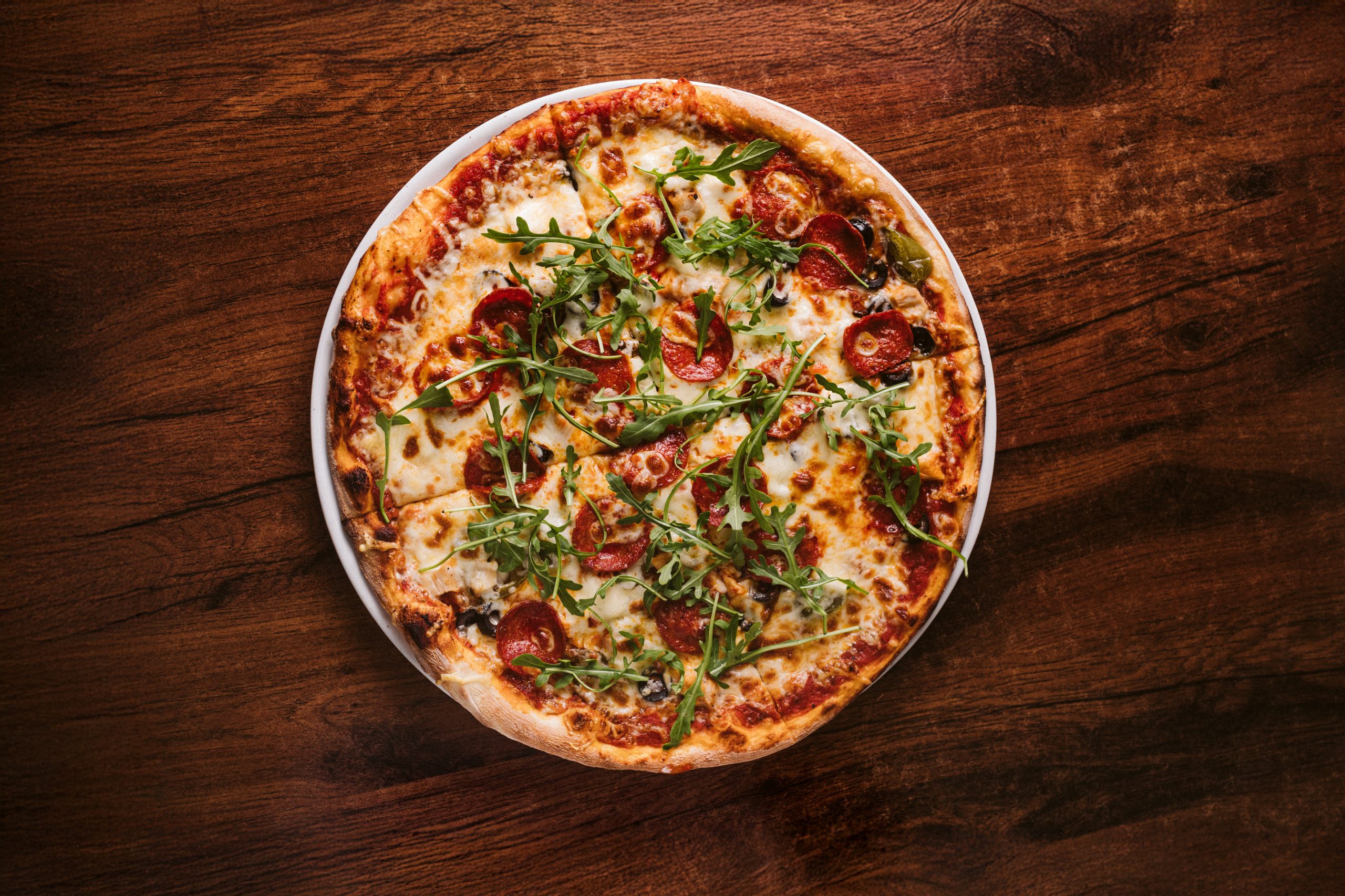
Finally: if you're in Vaasa and want a pizza, kebab or salad to take away quickly, Ristorante Meli La Strada Ky is conveniently located in Vaasa city centre (Asemakatu 26, 65100 Vaasa). By clearly stating your allergies and preferences when ordering, you'll receive prompt service and can focus on what matters most: enjoying delicious and safe food.
Order safely – we'll help with your choices
Please call and clearly state any allergies or special dietary requirements to ensure a smooth order. Collection is quick and efficient, and home delivery is available for larger groups.


