
What makes a good pizza base? Dough fermentation, hydration, and baking temperature explained simply
What makes a pizza base good – and why can the exact same pizza taste different at home compared to a high-pizzeria? Most of the difference comes down to the dough: fermentation (i.e. maturing the dough), hydration (the amount of water) and baking temperature. When these three hit the mark, the base simultaneously becomes airy,…

Voit jättää meille soittopyynnön
Jätä nimesi ja numerosi, niin soitamme takaisin saman päivän aikana.
What makes a good pizza base – and why can the same pizza taste different at home compared to a quality pizzeria? Most of the difference comes down to the dough: fermentation (i.e. the dough maturing), hydration (the amount of water), and baking temperature. When these three are just right, the base will be simultaneously airy, chewy, crispy, and flavourful.
In this article, I will explain in plain language what fermentation, hydration, and baking temperature mean in practice, how they affect the structure and taste – and why the differences are particularly evident when pizza is made unhurriedly and baked properly. Ristorante Meli La Strada Ky, located at Asemakatu 26 in the centre of Vaasa, focuses specifically on ensuring that the base is the strong foundation of the pizza – while still keeping the service fast both for dine-in and takeaway orders.
What makes a good pizza base: texture, flavour and bake
A good pizza base isn't just "thin or thick". It's about balance: the edges rise slightly, the centre supports the toppings without collapsing, and the underside of the base bakes beautifully without burnt, bitter spots. When the base is successful, the whole pizza feels fresher, the toppings stand out better, and every bite remains manageable – especially with takeaway pizza, where it continues to steam in the box.
Behind the structure lies gluten formation and gas: yeast (or sourdough) produces gas in the dough, and the gluten network "holds" it inside. If the dough is too young, the flavour will be bland and the texture dense. If the dough is over-proofed, it can be difficult to handle and the crust can easily become too dark. The quality of the base is therefore a process, not just a recipe.
Hallmarks of a good pizza base These points tell a lot about the dough and the bake when you're evaluating a pizza (in a restaurant or at home).
Airborne edge The dough rises and is light, not dense like bread.
Seat covers without rubber The base offers slight resistance, but doesn't feel "chewy".
Crispy base The base has a dry, baked surface – not soggy or floury.
Tastes good even before the fillings When the edge is tasted on its own, it has a toastiness and a little "depth".
If you want to read more about what you should generally expect from a pizzeria service, also check out 10 reasons to choose a professional pizzeria service – most points relate specifically to the process, not just filler.
Dough fermentation in plain English: resting time creates flavour
Fermentation, in practice, means the dough is left to rest and "mature". During this time, yeast (or sourdough microbes) break down the sugars in the dough and produce gas, which makes the dough airy. At the same time, aroma compounds are created: these are what give the dough a deeper, slightly nutty and toasted flavour that you immediately notice in a good pizzeria.
A short rise often makes pizza "straightforward": it fills the stomach but isn't memorable. A longer fermentation, on the other hand, develops both texture and handleability, as the gluten has time to organise and the dough stretches more easily without tearing. This is particularly noticeable in the crust: it rises more nicely and the inside remains airier, even with a thin pizza.
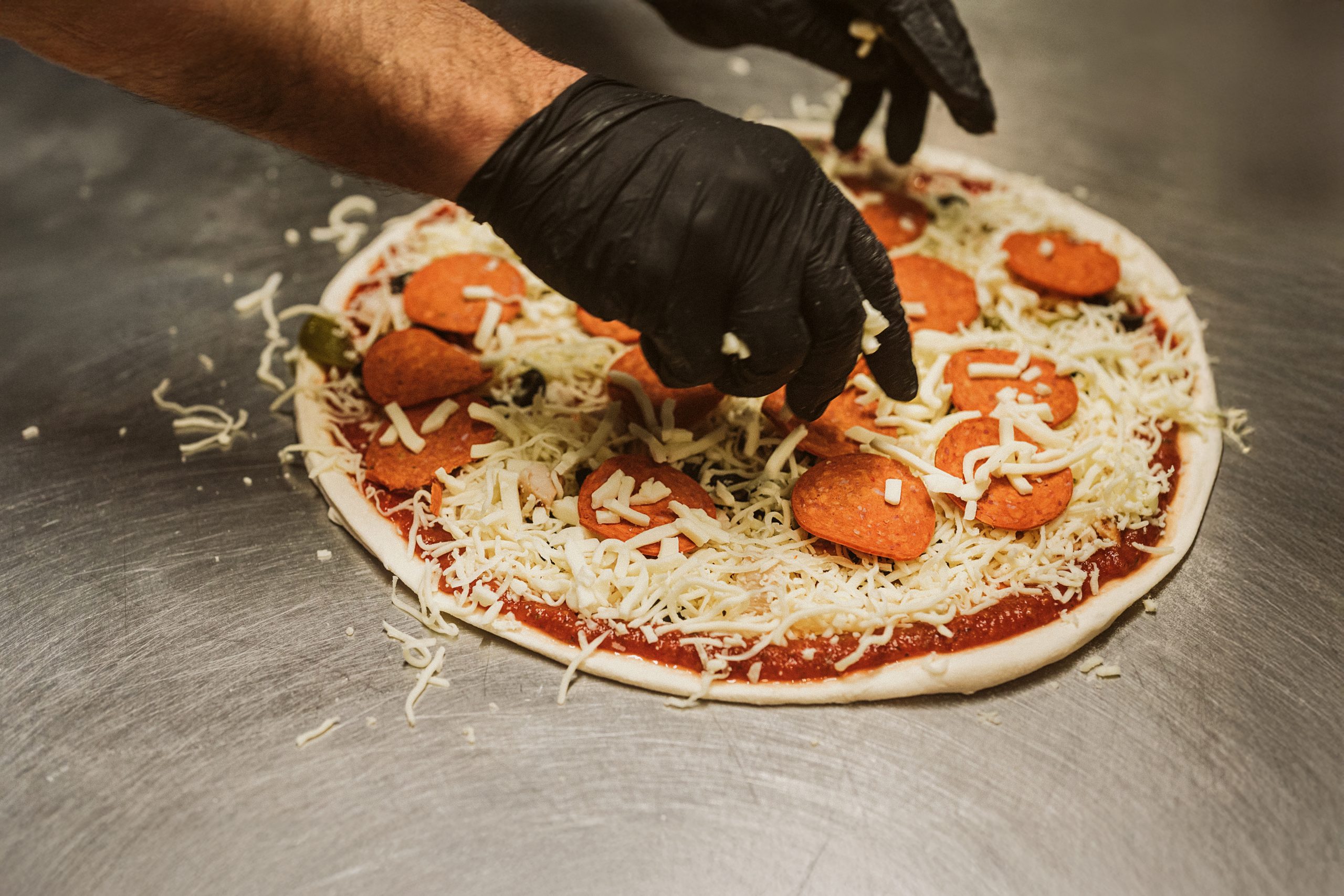
You can read more about fermentation on a general level, for example, on Wikipedia: FermentationIn practical pizza making, the most important thing is to understand the concept: time cannot be entirely replaced by just the amount of yeast. When a pizzeria masters fermentation, the result is more consistent from day to day.
When dough is given time, it rewards: a better flavour and easier baking are not by chance, but a result of fermentation.
Hydration and gluten: how the amount of water changes the dough
Hydration may sound technical, but it simply refers to the proportion of water in dough. Higher hydration (more water) can make the base airier and the crumb softer, but it also requires more skill: the dough is looser, stickier and more prone to over-proofing. With lower hydration, the dough is easier to handle and the crust can crisp up quickly, but the crumb is more likely to turn out dense.
A good pizza base often comes from the hydration being matched to the flour, fermentation time and oven power. If the oven isn't hot, a very wet dough can remain loose in the middle before the surface has had time to cook. On the other hand, a sufficient amount of water helps achieve precisely that "light chewiness" that many seek in a Neapolitan-style or otherwise airier base.
This is how hydration appears when eating You don't need percentage calculations – these symbols tell you a lot.
Air bubbles at the edge Often a sign that the dough is sufficiently moist and well-proved.
Bends but does not break Good balance: the piece bends in the hand, but the centre doesn't become mushy.
Crispness is better preserved The right amount of water + proper baking helps the base stay firm, even in a takeaway box.
Less floury mouthfeel The dough bakes more evenly when there is sufficient liquid in proportion to the flour.
When ordering pizza for takeaway from Vaasa city centre, hydration surprisingly affects how the pizza tastes at home. Therefore, it's wise to choose a place where the dough and baking have been considered for takeaway too – feel free to look at perspectives in the article if you wish. Takeaway - pizza versus home delivery: how do transport and packaging affect pizza quality?.
Brief note
To ensure a successful order (size, toppings, pickup time), a little pre-planning will save time and improve quality.
Cooking temperature and the oven: why pizzerias beat home kitchens
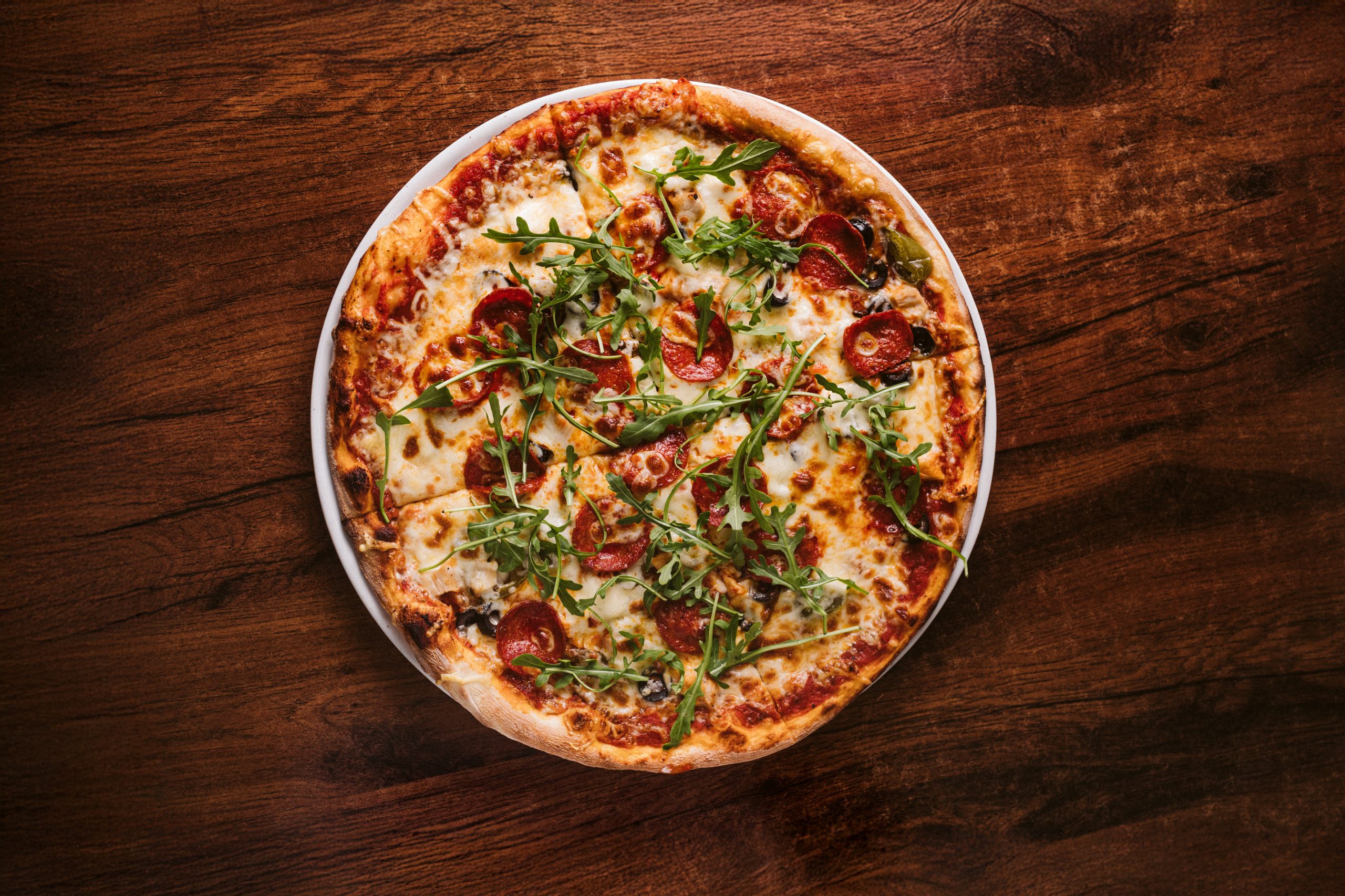
Baking heat is often the final deciding factor. High heat quickly bakes the crust: the surface browns (and toasty aromas develop), but the inside remains soft and airy. With lower heat, the pizza is in the oven for longer – and then there's the risk that the toppings dry out or the crust loses its succulence before the surface gets a proper baked colour.
The advantage of a pizza oven is its even and efficient heat, as well as the heat of the baking surface. When the base hits the hot stone or steel, it immediately begins to crisp up from the start. This is one reason why, in a quality pizzeria, even a simple Margherita tastes like "more": the simple dough + sauce + cheese are able to shine, because the baking brings out the aromas.
The cooking temperature also affects practicality: when cooking is fast and controlled, service remains prompt even during busy times. At Ristorante Meli La Strada Ky in the centre of Vaasa, this is seen in smooth service – you get your pizza quickly to eat in or take away, and for larger groups, home delivery can also be arranged for group orders.
Collaboration in practice: fermentation + hydration + heat
The best result is only achieved when all three factors support each other. Long fermentation can make the dough airier and tastier, but it also changes how the dough behaves in your hands. If the hydration is high, the dough requires gentle handling and a sufficiently hot bake so that the centre cooks before the toppings have a chance to make the base heavy.
This is precisely why a pizzeria's quality is evident in the "certainty of the base." When the process is in order, the base is consistently the same, regardless of whether you order a classic or a more specialised combination – and even with the gluten-free option, technique and baking are what determine how pleasant the mouthfeel is. If the gluten-free option interests you, I also recommend reading Gluten-free pizza in Vaasa: what does genuinely gluten-free preparation mean and what should the customer ask?.
| Author | What does that mean | How does it feel in the end |
|---|---|---|
| Fermentation | Dough resting (hours–days) | Deeper flavour, airier crust, better chew |
| Hydration | The amount of water in the dough in relation to the flour | Chewiness and effervescence vs. easy handling and crispness |
| Oven temperature | Oven and baking surface temperature and cooking time | Crisp base, roasted aroma, balanced fillings |
When these factors are in balance, pizza works well in everyday life too: it’s easy to eat, it’s easier to take away, and it still tastes just as good at home. In this context, ‘fast service’ doesn’t mean cutting corners, but rather that the process is under control from start to finish.
How do you choose a pizzeria in Vaasa if you want a good base?
When you’re looking for a place that really focuses on the base, it’s worth paying attention to a few practical indicators. The first is consistency: is the base the same every time? The second is what the crust itself tastes like. If the crust has a toasty, pleasant aroma and doesn’t taste like dry bread, the dough has probably been given time to rise and the pizza has been baked at a high temperature.
The third sign is evident in the service: when ordering is smooth and collection runs to plan, the pizza arrives at your table in the best possible condition. Ristorante Meli La Strada Ky is centrally located in Vaasa city centre (Asemakatu 26, 65100 Vaasa), which makes collection easy, and takeaway orders are convenient to pick up. For larger groups, home delivery can also be arranged for group orders – once the schedule and quantity are known, quality remains high even when it comes to logistics.
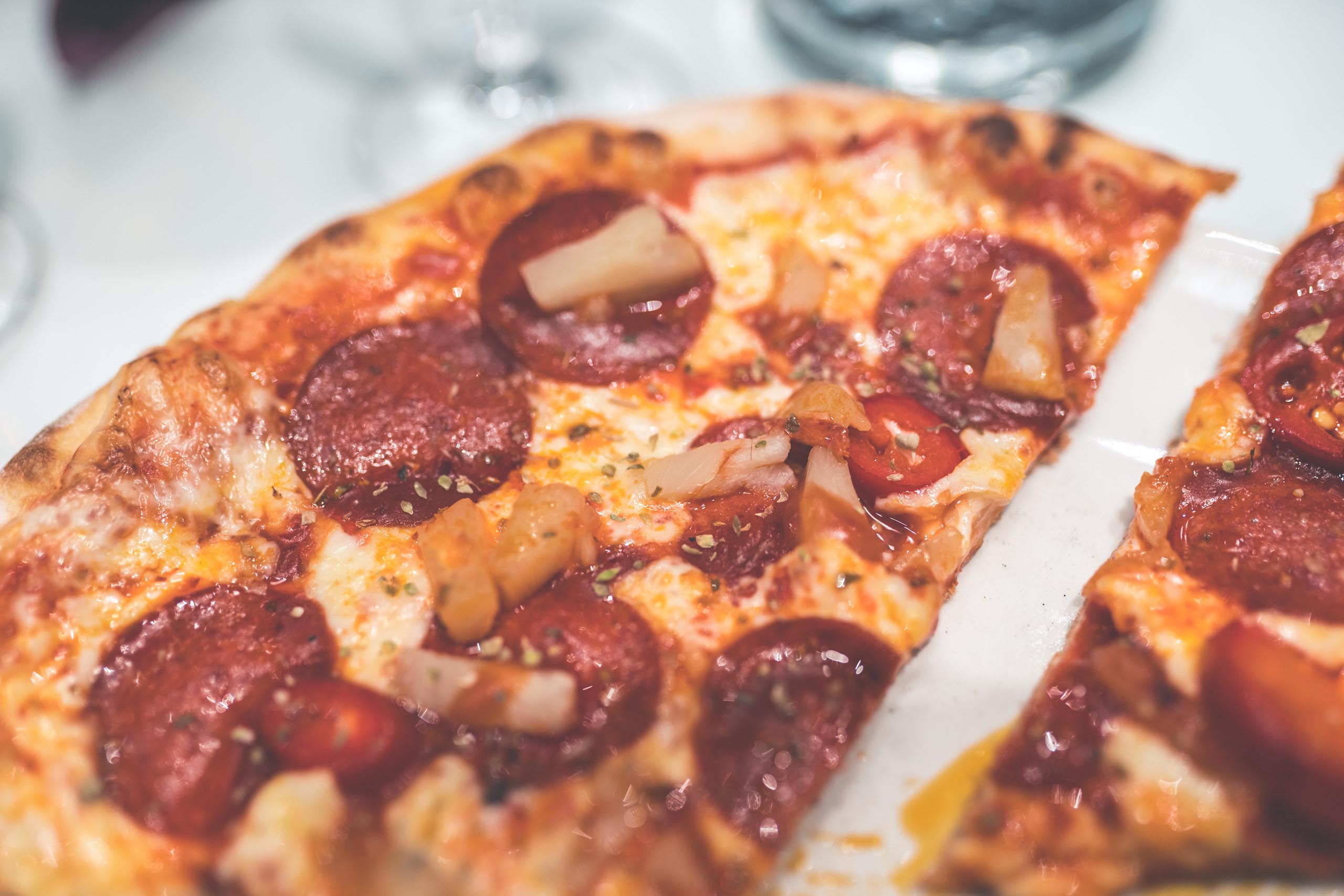
If you want to access the range quickly, go straight to the page Menu and choose your favourites, from traditional pizzas to more unusual combinations, kebab dishes or fresh salads. When the base is just right, the toppings really come into their own – and that’s precisely the difference you notice at a high-quality pizzeria.
Order pizza in Vaasa – the base is the key
Try out the taste of a carefully made dough and a hot bake. Order quickly for takeaway or ask about home delivery for a larger group.


