
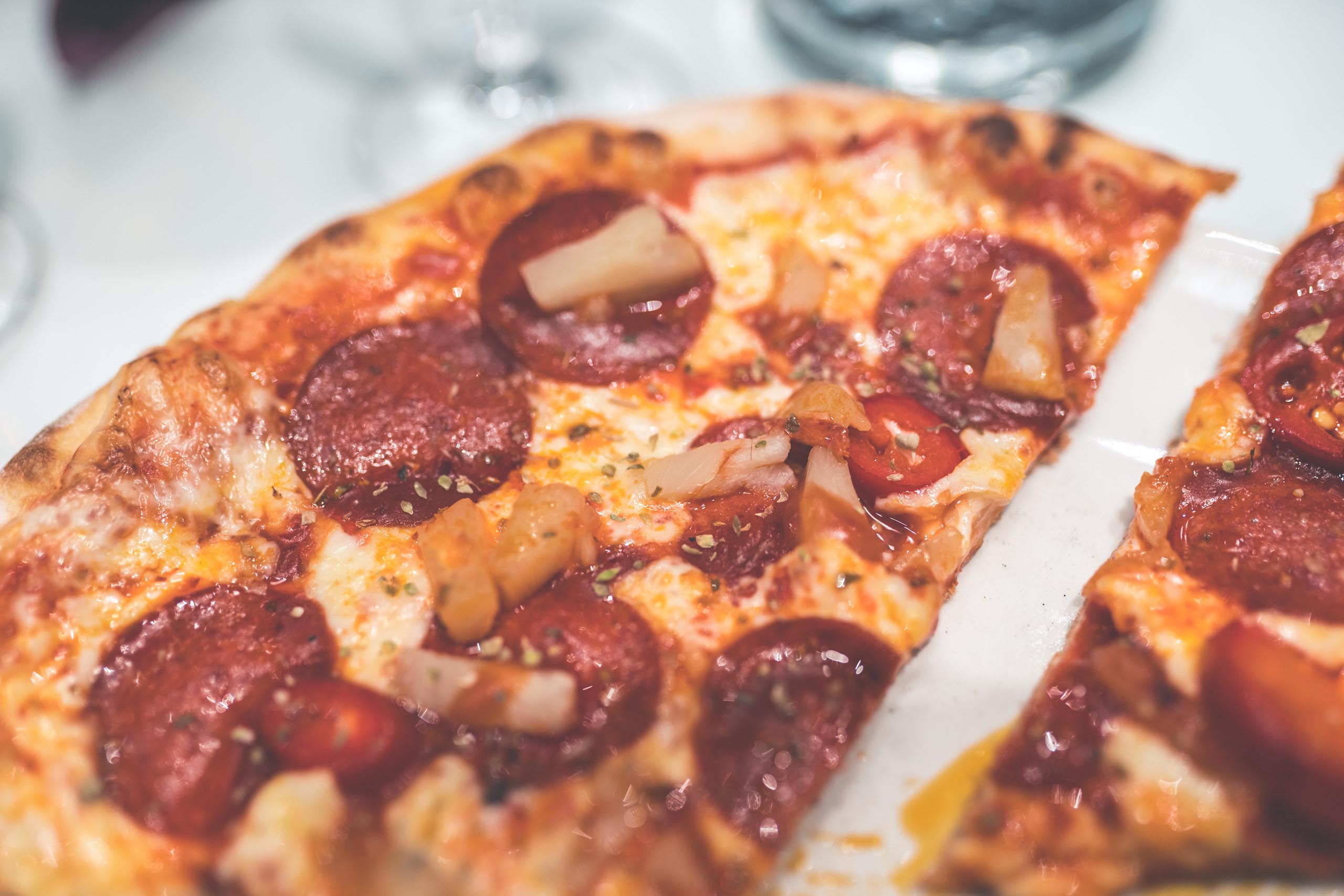
The kitchen hygiene and self-monitoring of a pizzeria – what can a customer see and what generally indicates quality?
The hygiene and self-monitoring of a pizzeria's kitchen are factors that directly affect the taste, safety and whether you would dare to order a pizza from the same place again. The good news is that as a customer, you can often notice a surprising amount during just a short visit: what the place looks like, how the staff work…

Voit jättää meille soittopyynnön
Jätä nimesi ja numerosi, niin soitamme takaisin saman päivän aikana.
Pizzeria kitchen hygiene and self-monitoring are factors that directly affect taste, safety, and whether you'll dare to order pizza from the same place again. The good news is that as a customer, you can often observe a surprising amount even during a short visit: what the place looks like, how the staff operates, and how the ordering process is organised. When the overall picture is in order, it usually shows in efficient service, consistent results, and the feeling of trust that a good restaurant inspires.
The hygiene and self-monitoring in a pizza restaurant kitchen: what can a customer notice right at the door?
The first impression begins even before you open the menu. The cleanliness of the entrance and customer area says a lot about how daily routines are structured: have the bins been emptied, are the tables and touchpoints (like payment terminals) clean, and does the space feel fresh? If the basics are in order in the front area, it’s likely that the same level of care continues in the kitchen.
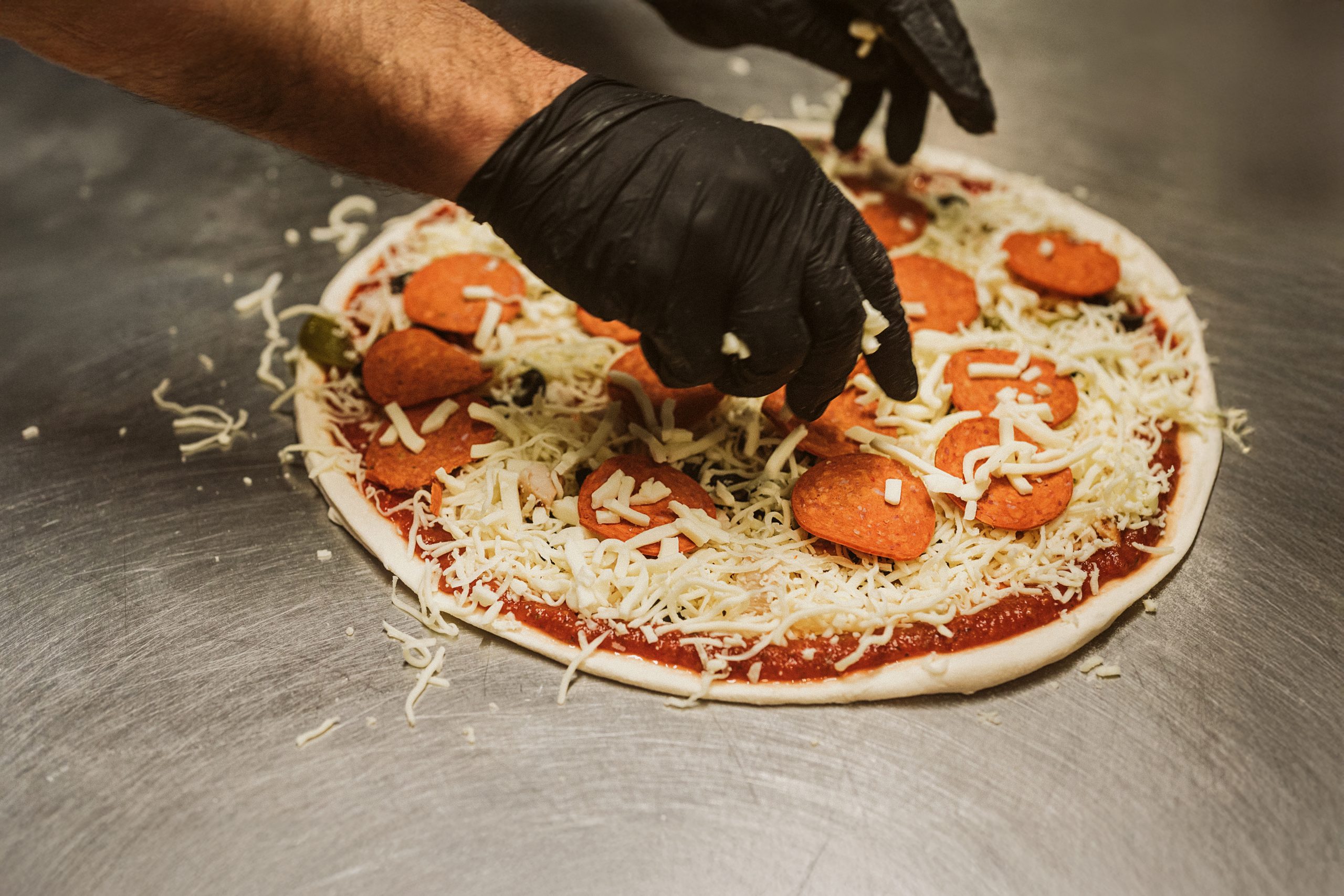
In many pizzerias, the preparation is partly visible. Then you can pay attention to, for example, how the workstations are kept tidy between orders, where the ingredients are stored, and whether the work flows smoothly without unnecessary criss-crossing between ingredients and finished dishes. A well-designed workflow is also a matter of hygiene: when "clean" and "dirty" stages do not mix, the risk of contamination is reduced.
Quick observations to keep an eye on These are small signals that form a big picture.
Worksurface rhythms Are surfaces wiped between orders, or do crumbs and fillings accumulate in the corners?
Staff hand hygiene Do you see hand washing, changing gloves and minimising contact?
Raw material containers Are the fillings protected and clearly organised, or open and messy-looking?
General order Is there a place for items and will the queue remain clear even during peak times?
If you want to read more about the criteria that usually distinguish a trustworthy place, take a look at: How to identify a reliable pizzeriaIt helps to put your own observations into words and to make a choice with more confidence.
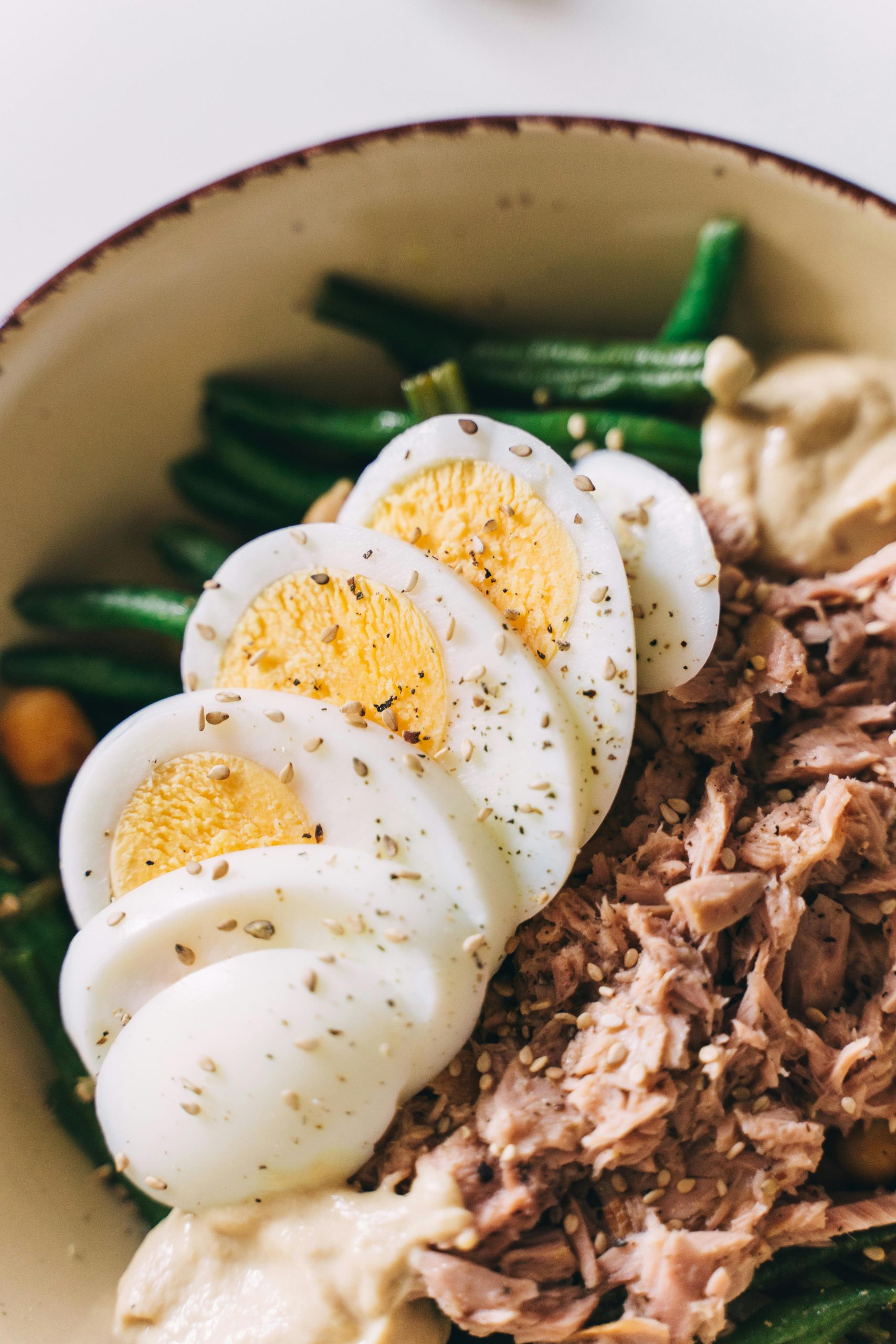
Self-monitoring in a pizzeria – what does that mean in practice for a customer?
Self-monitoring sounds bureaucratic, but in practice, it's an everyday operational model: how to ensure that the food is safe every day, for every customer. In a pizzeria, this particularly relates to temperatures, hygiene, raw ingredient handling, and making sure that work steps are always carried out in the same way – even when busy. When self-monitoring works, quality remains consistent and the taste is repeatable: the same pizza tastes just as good on Monday as it does in the Saturday rush.
As a customer, you don't see thermometers or logs, but you do see their consequences. For example, cold ingredients remain firm, salads stay fresh, and sauces have the right consistency. Self-monitoring is also evident in the fact that the kitchen doesn't "improvise" at risk-prone points: while the dough is rising correctly and the oven is hot, care is taken to ensure the cold chain is not broken and that cooked products are kept separate from raw ones.
When a pizzeria's basic routines are built around hygiene, the customer doesn't have to guess – the quality can be seen and felt in every order.
Further information on the principles of Finnish food control can also be found from official sources, for example From the Finnish Food Authority's guidelines on the food sectorThey clearly explain why self-monitoring isn't just "paperwork for the sake of a paperwork", but part of a safe and smooth daily restaurant routine.
The pizzeria kitchen's hygiene and self-monitoring in staff operations (gloves, hand washing, work order)
Hygiene isn't just about a clean floor – it's above all about people. One of the most important things is structuring work and having a clear order of operations: what is touched, when hands are washed, when gloves are changed, and how it's avoided that the same hand handles both money and food. As a customer, you can pay attention to whether order taking and food preparation are done according to roles or if tasks are mixed together unnoticed.
A good indicator is also how the staff reacts to deviations. If filling spills, it's cleaned up immediately, not "later". If a tool falls, it's replaced. Small micro-situations reveal a lot: self-monitoring comes alive precisely in those moments when time is tight, and yet things are done correctly. This is especially important in a pizza or kebab restaurant, where multiple ingredients are handled side-by-side and dishes are assembled at speed.
Brief note
If you order for takeaway or collect quickly from the centre, even small processes are visible: good hygiene also supports fast service and consistent quality.
Ristorante Meli La Strada Ky is located in the centre of Vaasa at Asemakatu 26, 65100 Vaasa. When customer flow is busy and orders are coming in for both dining in and takeaway, the clarity of everyday operations becomes paramount: who does what, at what stage, and with what tools. When this is considered, the result for the customer is simple – the food arrives quickly, looks good, and tastes as it should.
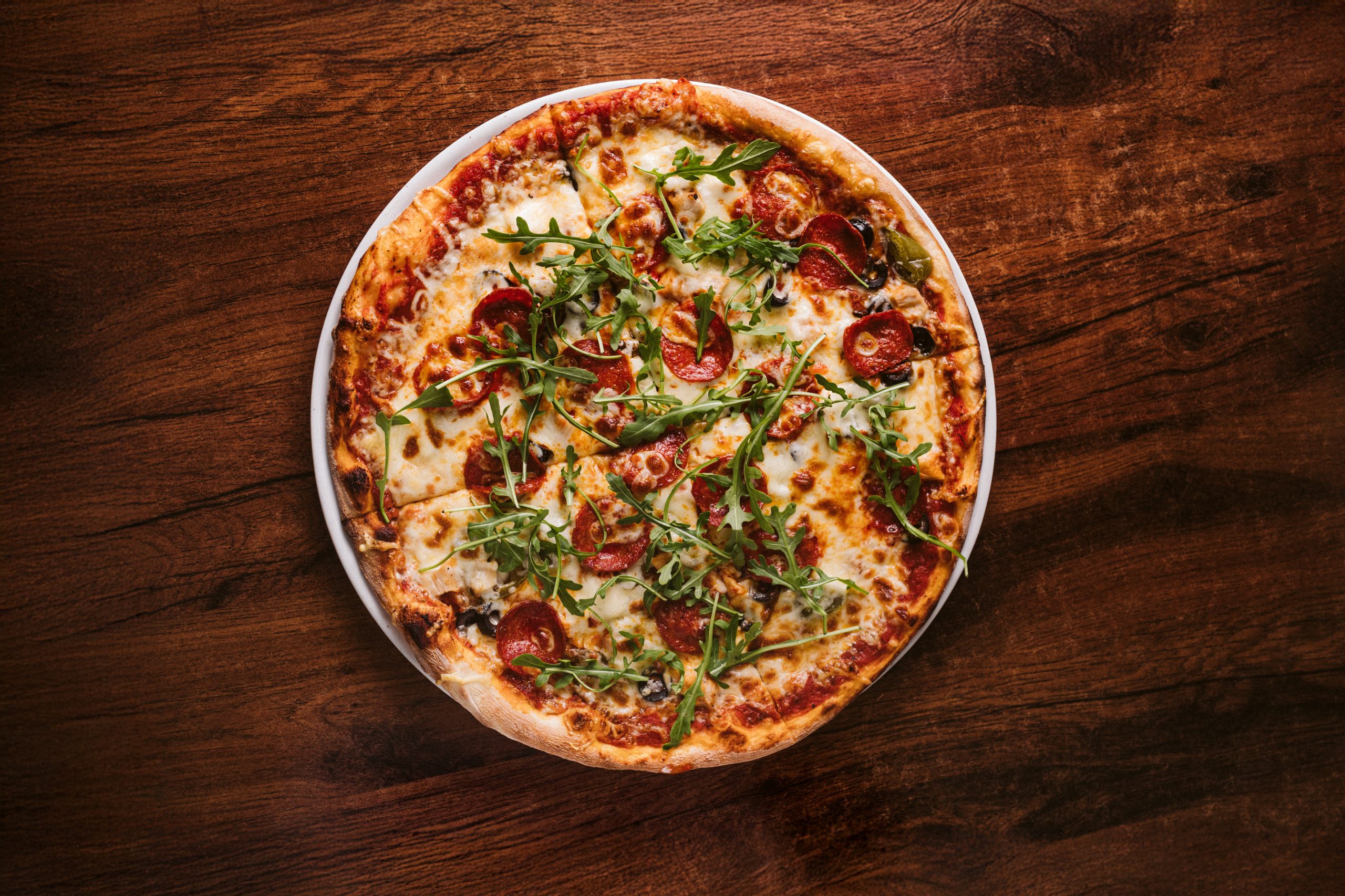
What does the quality of food generally tell us: ingredients, temperatures and consistency
Many people think of quality solely in terms of taste, but in practice, quality is often the result of a controlled process. When raw ingredients are fresh and stored correctly, they behave predictably in pizzas and kebab dishes: the cheese melts evenly, the vegetables remain fresh, and the meat is juicy. If, on the other hand, the cold chain or storage is lacking, it's quickly noticeable: as soft, tired toppings, a watery pizza, or an indistinct aroma.
Another clear signal is consistency. In a good pizzeria, the same products are repeated: the gluten-free base is handled just as carefully every time, the salad remains fresh, and the portion size meets expectations. Consistency doesn't happen by chance, but because self-monitoring and operating standards are truly part of everyday life – not just in a folder in the back room.
| Observation on the order | What does it generally say about hygiene and self-monitoring | Mikä asiakkaalle on tärkeää |
|---|---|---|
| The fillings look fresh and stand out clearly | Storage and the cold chain are under control; raw material turnover is functioning. | The flavour is purer and the portion feels "fresh," not tired |
| The pizza is cooked evenly with no burnt edges and a raw centre | The oven temperature and baking time are under control; the process has been standardised. | The texture and taste remain consistent, even when in a rush. |
| The carriage remains upright during transport | The packaging and waiting times have been considered; ready-made portions do not "stand around". | Get a better result at home or at work |
To make the ordering process even smoother and avoid common pitfalls, this guide will be useful: 5 things to consider before ordering a pizzaWhen the order is clear, it is also easier for the kitchen to adhere to the best routines.
Takeaway and group deliveries: how is hygiene reflected in packaging and handover?
Takeaway is a lifesaver for many on a daily basis: quick to pick up, easy to eat at home, and the same familiar taste without cooking. Hygiene and self-monitoring are particularly evident at this stage in the handover and packaging. When a portion is packaged correctly, it stays warm but doesn't become too damp. When the handover is controlled, incorrect portions and unnecessary handling are reduced – and at the same time, hygiene risks are also minimised.
For group orders and larger home deliveries (which Ristorante Meli La Strada Ky undertakes for larger groups), anticipation is key. When the kitchen schedules the cooking and systematically puts together the order, the food doesn't sit around unnecessarily, and every box leaves as fresh as possible. For the customer, this is tangible: the pizzas are warm, the dishes remain separate, and the overall experience feels "professional".
What can I check for on collection or delivery? These points indicate whether the end-of-life stage is as robust as the manufacturing stage.
Condition of packaging Will the boxes remain intact and clean, without grease stains on the outside?
Clarity of handover Is the name/order number being asked for and the contents confirmed before the portion is handed over?
Special requests Should the gluten-free or allergy request be clearly marked so it is not confused with others?
Waiting time management Does it look like the finished dishes are being kept in the right place and not on the counter "in a queue" for too long?
When ordering for a quick takeaway in Vaasa city centre, a little extra attention helps: clearly state any special requests and double-check your order upon collection. This allows the kitchen to keep the process streamlined, and you'll receive exactly what you ordered – high-quality and safely.
Finally Pizzeria kitchen hygiene and self-monitoring are not an "invisible background element" for the customer, but reflect in everything from how the space feels, how quickly the service functions, and how consistent the taste remains. Next time you choose a pizzeria or kebab restaurant in Vaasa, observe a few practical signals and trust the overall picture. At Ristorante Meli La Strada Ky, the goal is that good food, neat execution, and smooth service always go hand in hand – whether dining in, taking away, or for larger group orders.
For further reading on special diets and safe ordering, we recommend: Allergies and special diets at the pizzeria: how to order safely and smoothly.
Do you want to order quickly and with confidence?
Come visit us in the centre of Vaasa or order takeaway. Feel free to ask about gluten-free options and group orders.


